all blogs
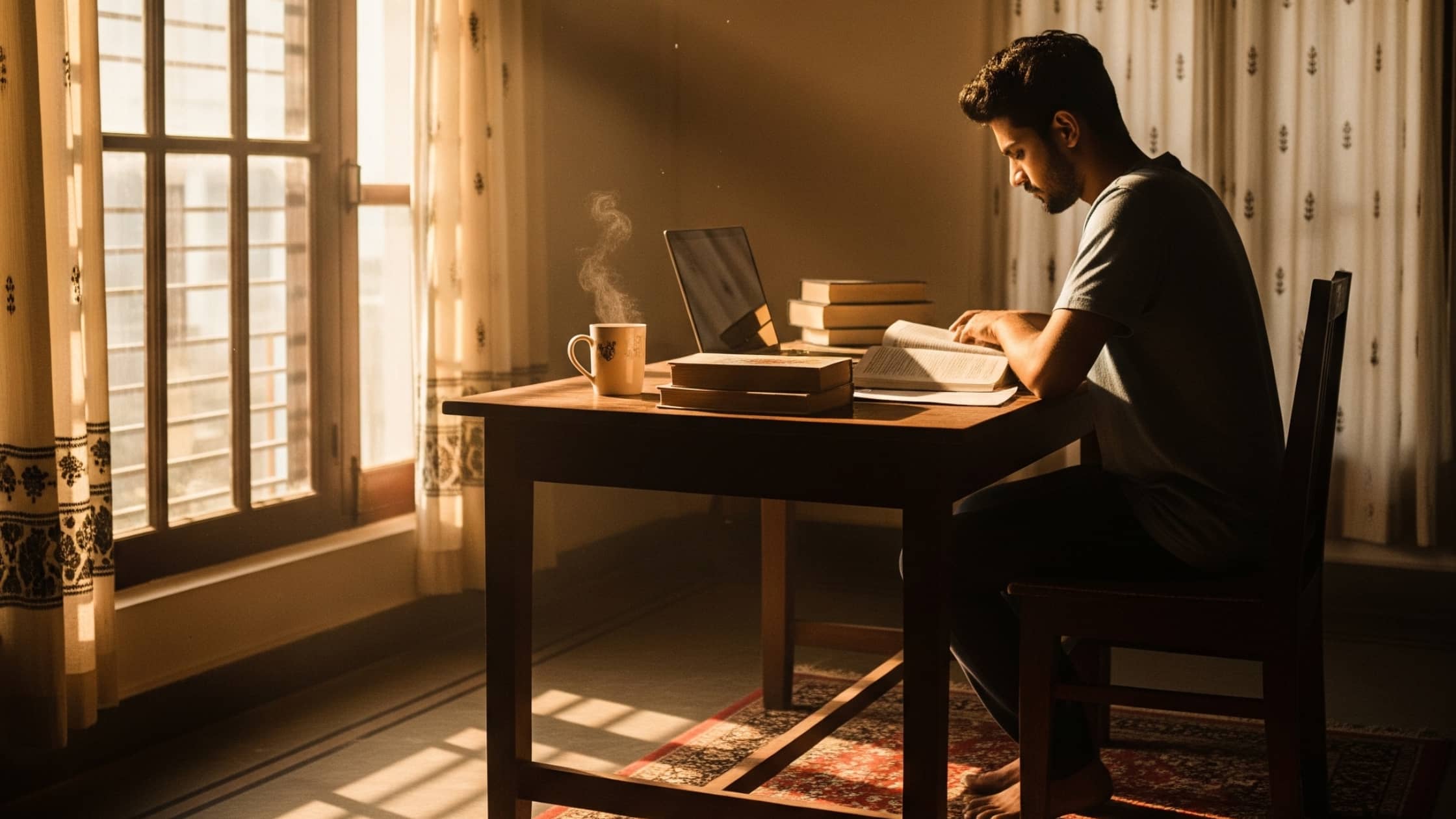
My Morning Routine for Peak Productivity as a Student
My Morning Routine for Peak Productivity as a Student
•
04 February 2026
•
No Comments
Mornings set the tone for the entire day. As a student, I learnt this the hard way. For a long time, my mornings were rushed, reactive, and chaotic. I woke up late, checked my phone immediately, skipped proper planning, and started studying already feeling behind
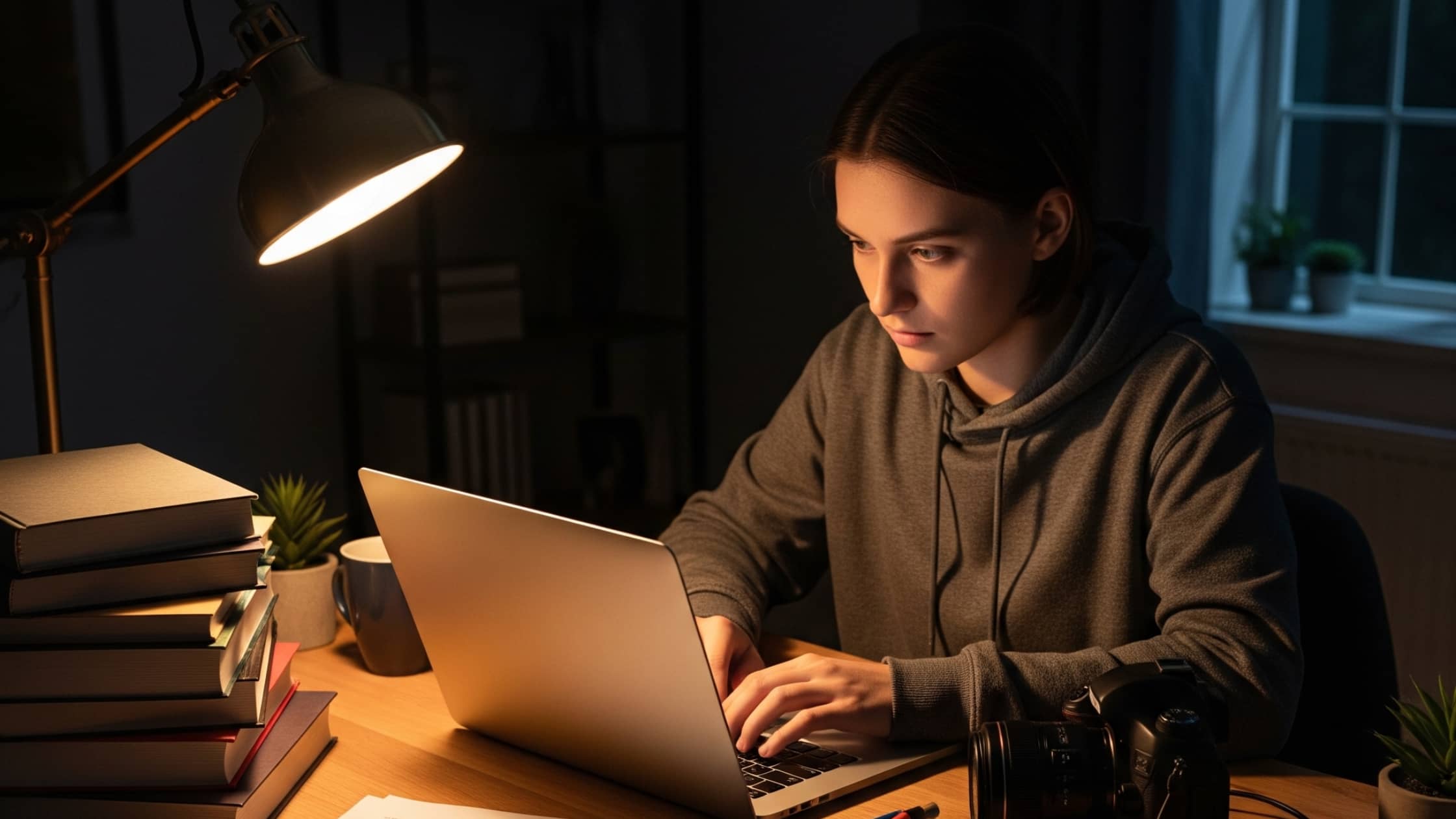
Balancing Academics With Personal Passion Projects
Balancing Academics With Personal Passion Projects
•
21 January 2026
•
No Comments
College life is often described as the most important academic phase of our lives, but it is also the time when personal interests, creativity, and self-discovery begin to take shape. Between lectures, exams, assignments, and attendance pressure, students are constantly told to focus on grades.
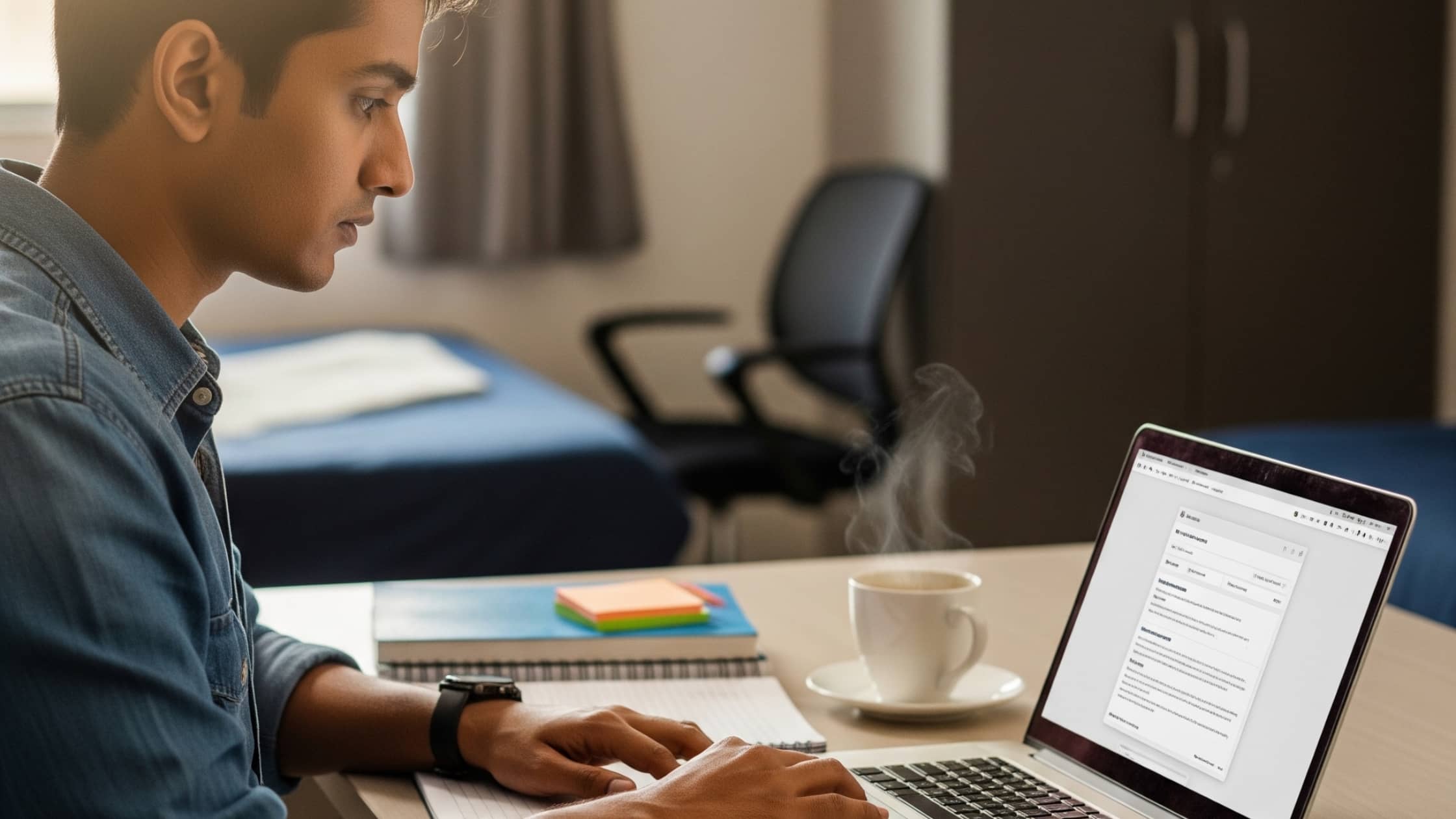
How I Use Notion to Manage College Life
How I Use Notion to Manage College Life
•
07 January 2026
•
No Comments
College life looks exciting from the outside, but living it every day is a different story. Classes start early, assignments pile up fast, deadlines overlap, and somewhere between all of that you are also supposed to build skills, maintain friendships, and figure out your future.

How Travel & Culture Influence My Creative Work
How Travel & Culture Influence My Creative Work
•
17 April 2025
•
No Comments
Creativity is often seen as something that comes from within — a spark of inspiration, a moment of insight.

Why Failure Is the Best Teacher: A Student’s Perspective
Why Failure Is the Best Teacher: A Student’s Perspective
•
17 April 2025
•
No Comments
Failure. It’s a word many of us are taught to fear, avoid, or even be ashamed of — especially as students, where grades and success often define our sense of worth.

From Intern to Innovator: My First Industry Experience
From Intern to Innovator: My First Industry Experience
•
17 April 2025
•
No Comments
Entering the professional world for the first time is like stepping into a new universe. Everything is fast-paced, dynamic, and incredibly eye-opening.