realisedTaking notes is one of the most underrated academic skills. Most students take notes every day, yet very few are actually taught how to do it effectively. For a long time, my notes were messy, incomplete, and rarely revisited. I wrote everything during lectures but understood very little during revision. Over time, I realized that good notes are not about writing more. They are about thinking better.
Learning how to take better notes transformed my academic experience. It helped me stay engaged during lectures, understand concepts deeply, and revise with confidence instead of panic.
Understanding the Purpose of Notes
The biggest mistake students make is treating notes as a record of everything the teacher says. Notes are not transcripts. Their purpose is to support understanding and recall.
Effective notes capture key ideas, explanations, and connections. They are tools for thinking, not storage units for information. Once I understood this, the way I listened during lectures changed completely.
Preparing Before the Lecture
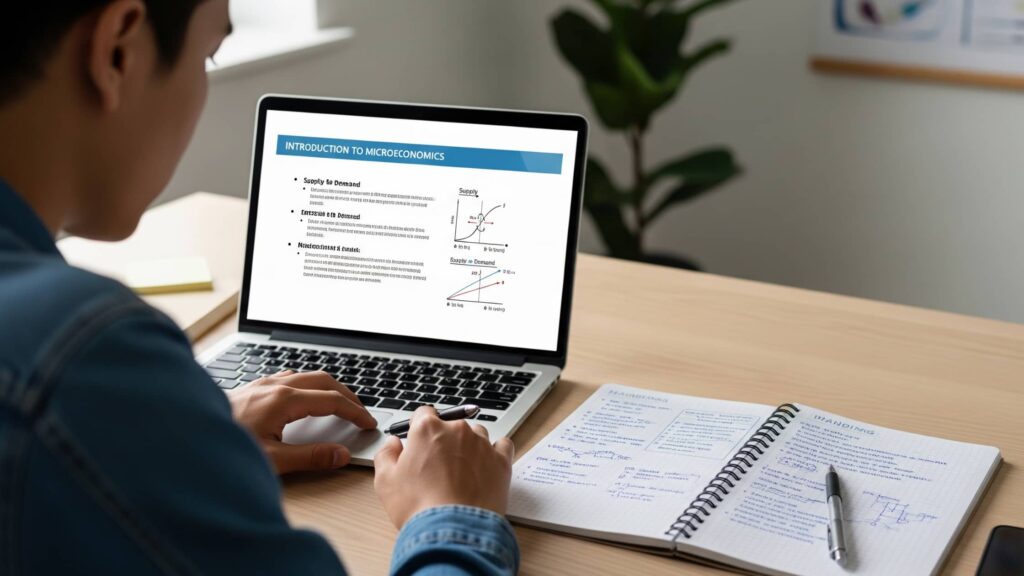
Better notes begin before the lecture starts. Reviewing the topic briefly in advance gives context. When you know what the lecture is about, your brain can identify what is important instead of trying to write everything.
Even a quick glance at the syllabus or previous notes improves focus and comprehension during class.
Active Listening During Lectures
-takingGood note taking requires active listening. Instead of copying slides or dictation word for word, I focus on understanding the explanation. I listen for emphasis, examples, and repeated points.
When something is unclear, I note the confusion instead of ignoring it. This helps during revision or when asking questions later.
Writing in Your Own Words
One of the most effective changes I made was writing notes in my own words. This forces understanding. Copying directly may look neat but often results in shallow learning.
Paraphrasing concepts helps identify gaps in understanding early. If I cannot explain something simply, I know I need to revisit it.
Structuring Notes for Clarity
organiseWell-structured notes are easier to revise. Clear headings, subtopics, and spacing help organize information visually. Instead of long paragraphs, I focus on logical flow.
Structure allows the brain to see patterns and relationships between ideas. This improves recall during exams.
Using Examples and Analogies
Examples make abstract concepts concrete. Whenever a teacher gives an example, I write it down. If none is given, I create my own.
Analogies help link new information to familiar ideas. These connections make revision faster and more intuitive.
Leaving Space for Revision
One small habit that made a big difference was leaving space in my notes. This space is used later to add clarifications, summaries, or corrections.
Notes should be living documents. They improve with time and revision.
Turning Lecture Notes Into Revision Notes
Lecture notes are raw material. Revision notes are refined versions. After class, I revisit my notes and simplify them.
This step helps reinforce learning and highlights areas that need more work. By the time exams approach, revision becomes easier because the notes are already condensed.
Using Active Recall With Notes
Instead of reading notes passively, I test myself. I cover sections and try to recall information. I explain concepts aloud or write summaries from memory.
Active recall turns notes into learning tools rather than reference material.
Spaced Revision for Better Retention
Revisiting notes over time improves memory. Instead of cramming, I review notes in short sessions across days or weeks.
Each revision strengthens understanding and reduces last-minute stress.
Digital vs Handwritten Notes
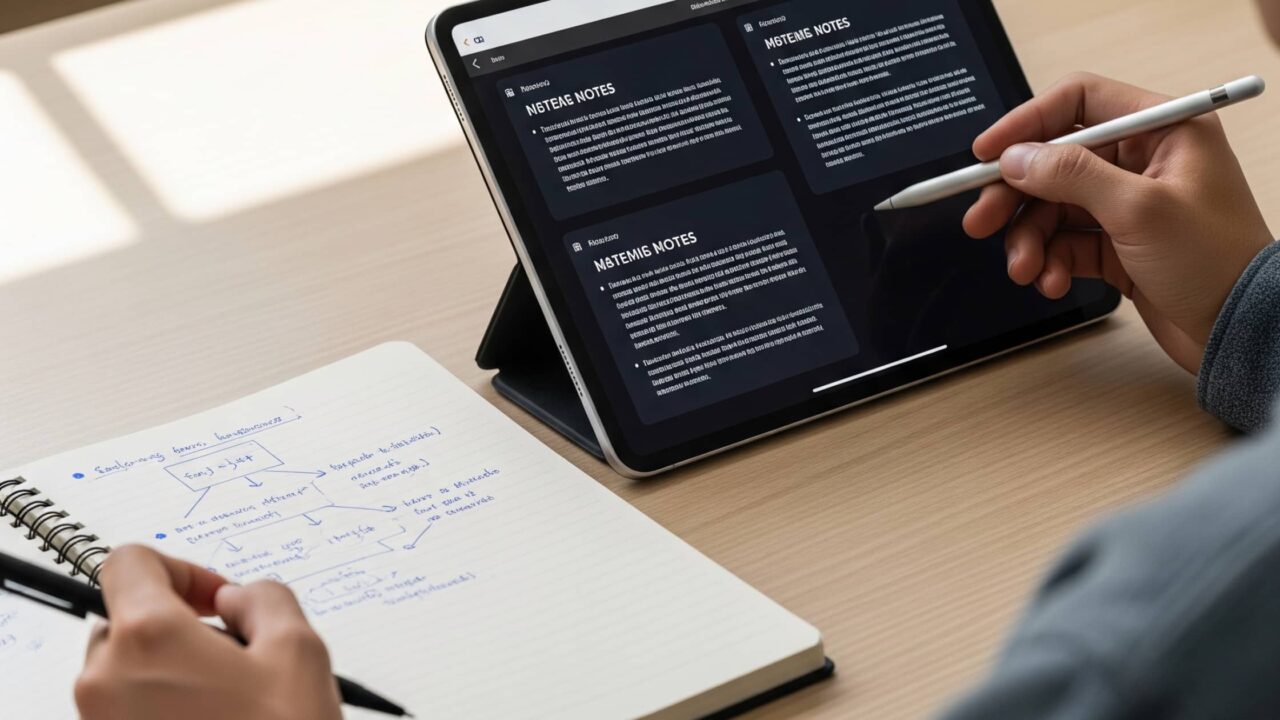
Both digital and handwritten notes have value. Handwritten notes improve focus and memory. Digital notes offer flexibility and organisation.
Choosing the right format depends on the subject and personal preference. The goal is effectiveness, not aesthetics.
Avoiding Common Note-Taking Mistakes
Writing everything without understanding leads to overload. Highlighting everything makes nothing stand out. Never revisiting notes makes them useless.
Being intentional avoids these common traps.
How Better Notes Improved My Academic Life
Improved note-taking reduced revision time and increased confidence. Exams felt less intimidating because I trusted my preparation.
Better notes also improved class participation and understanding.
Notes as a Personal Knowledge System
Over time, my notes became more than exam material. They became a personal knowledge system that supported learning beyond the classroom.
This shift changed how I approached education.
Final Thoughts
Taking better notes is a skill that improves with practice. It requires awareness, effort, and reflection.
When notes are clear, learning becomes lighter. From lectures to revision, good notes make academic life more manageable and meaningful.